
Bhutan Travel Guide 2026: Places, Culture & Tips
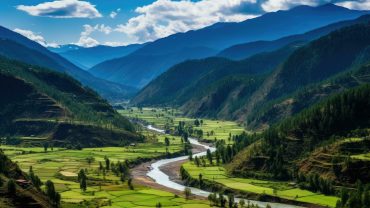
Hidden in the folds of the Eastern Himalayas, Bhutan is often called the Last Shangri-La – and for good reason. If you are searching for an offbeat, slow, and deeply cultural holiday for a week to 10 days, Bhutan is one of the most rewarding destinations you can choose.
What Makes Bhutan So Unique?
Bhutan has an air of mystery that few countries can match. From its national philosophy to its food and traffic rules, almost everything feels delightfully different.
- Bhutan measures progress through Gross National Happiness (GNH), not just GDP, focusing on well-being, culture, and environment.
- Foreign tourists (excluding Indians) must travel on a minimum daily package and pay a Sustainable Development Fee, which helps preserve Bhutan’s culture and nature.
- Indian travellers do not need a visa to enter Bhutan, though an Entry Permit and daily SDF are required.
- There are (famously) no traffic lights in Thimphu; traffic circles and polite drivers keep things moving at an easy pace.
- Sundays are blissfully slow: traditionally, newspapers and daily hustle take a back seat to a relaxed, family-centric day.
- Bhutanese cuisine loves chillies – often treated as a vegetable, not a garnish – and tea with salt is common in traditional homes.
- The country has never been colonised and still fiercely protects its Buddhist heritage and village lifestyle.
- Modernisation here does not mean blind westernisation; architecture, dress, and public policy all consciously protect Bhutanese identity.
For Indian visitors, there is a surprising familiarity too: Bollywood is popular, and you will find plenty of people who know Indian movies and music.
Entry Routes From India
From India, you can enter Bhutan by road at three main points, or fly directly into Paro.
- West (Phuentsholing): Fly to Bagdogra, then drive or ride about 4 hours to Phuentsholing (Indian town: Jaigaon).
- East (Samdrup Jongkhar): Fly to Guwahati, then travel by cab or bike to Samdrup Jongkhar (Indian town: Darranga), ideal if your route ends in eastern Bhutan.
- Central (Gelephu): A quieter border that leads into central Bhutan, suited for less-touristy itineraries.
- By air: Druk Air and Bhutan Airlines operate flights to Paro, Bhutan’s only international airport, from cities like Delhi and Kolkata, with limited seats that often sell out early in high season.
If you love road journeys, entering by land and exiting from another point (for example, Bagdogra–Phuentsholing–Bhutan–Samdrup Jongkhar–Guwahati) gives a beautiful cross-country experience.
Best Time To Visit Bhutan
Bhutan is beautiful all year, but some seasons are particularly rewarding.
- Spring (March to May): Clear skies, blooming rhododendrons, pleasant days – excellent for trekking and photography.
- Autumn (late September to November): Crisp views, important festivals (tsechus), and comfortable weather.
- Winter (December to February): Cold but crowd-free, with stunning mountain views; eastern and southern Bhutan remain milder.
- Monsoon (June to early September): Lush landscapes but frequent rain and the risk of landslides; best avoided if your focus is biking or long road trips.
Whatever the month, carry warm layers and rain protection – it is not unusual to experience sun, cold, and a shower in the same day in the mountains.
Local Rules And Etiquette
Bhutan’s charm also comes from its gentle pace and strict but sensible rules.
- No smoking in public: Bhutan has strict tobacco control, and sale of tobacco is controlled; travellers can carry limited personal stock but should respect local rules.
- No rushing: The official speed limit on most roads is around 50 kmph, and you will quickly see that nobody is in a hurry – which is exactly the point.
- Modest dress in monasteries and dzongs: Shoulders and knees covered, hats off, and photography restrictions followed where posted.
- Respect for religion: Prayer flags, chortens, and monasteries are living places of worship, so quiet behaviour and a respectful attitude are expected.
Travelling here is as much about slowing down as it is about sightseeing.
Permits For Indian Travellers
Indian citizens enjoy easier access than most visitors but still need to follow a clear permit process.
- Documents: Carry either a valid Indian passport (minimum 6 months validity) or original Voter ID card; other IDs like Aadhaar, PAN, or driving licence are not accepted for entry.
- Entry Permit: Issued at border immigration offices (such as Phuentsholing) or Paro Airport, this allows you to visit Paro and Thimphu initially.
- Route Permits: If you wish to travel beyond Thimphu and Paro (to Punakha, Bumthang, etc.), you need additional permits from the immigration office in Thimphu.
- Vehicle Permits: For your own car or motorcycle, go to the regional transport authority after you get your entry permit to obtain a vehicle permit.
- Timings: Immigration offices work on weekdays and can be crowded; factor in half a day or more for formalities, and avoid arriving on major festival days.
If you are riding a rented bike or driving a vehicle not registered in your name, carry an authorisation or NOC from the owner along with all original papers.
Non-Indian travellers must arrange a visa and a full tour through a licensed Bhutanese tour operator and pay the applicable Sustainable Development Fee per person per night.
Roads, Food, And Stops En Route
The road network in Bhutan ranges from smooth to narrow and winding, especially as you move towards central and eastern regions.
- Western Bhutan roads (around Paro, Thimphu, Punakha) are generally wider and better maintained.
- Central and eastern roads can be narrower, with ongoing widening projects that cause scheduled roadblocks of a few hours in the day.
- Monsoons can bring landslides, so always keep buffer time in your daily plan.
On a road trip or bike tour, you will mostly find simple, home-run eateries rather than polished highway restaurants.
- Expect basic but hearty meals: rice, vegetables, chicken or pork curries, and, of course, chillies in many forms.
- Food is often organic by default, and tea stops serve a mix of regular tea and salty butter tea in more traditional areas.
- Popular road canteens (including some run in collaboration with Indian road agencies) offer reliable meals and make for great breaks on long mountain stretches.
Plan lunch stops in advance, particularly if you are heading deep into central or eastern Bhutan where options thin out.
Suggested Itineraries (7–10 Days)
Bhutan offers multiple circuits, but two work especially well for first-time visitors.
1. West Bhutan (5–6 Days)
Ideal if you are short on time or flying in and out of Paro.
- Paro: Explore Rinpung Dzong, Paro town, and hike to the iconic Tiger’s Nest (Taktsang Monastery).
- Thimphu: Visit Buddha Dordenma, Tashichho Dzong, local markets, and traditional craft centres.
- Punakha/Wangdue: Cross Dochula Pass, visit Punakha Dzong, and stroll to the suspension bridge.
You get a strong taste of Bhutan’s culture, architecture, and landscapes without long road days.
2. Across Bhutan (10 Days, Road Or Motorcycle)
If you want to see the “real” Bhutan, extend west Bhutan with central and eastern regions.
A classic 10-day, one-way route for those entering from Bagdogra/Phuentsholing and exiting via Guwahati could look like:
- Day 1: Arrive Bagdogra
- Day 2: Bagdogra – Phuentsholing
- Day 3: Phuentsholing – Paro
- Day 4: Paro (Tiger’s Nest hike and sightseeing)
- Day 5: Paro – Thimphu
- Day 6: Thimphu – Punakha / Wangdue
- Day 7: Punakha – Bumthang
- Day 8: Bumthang – Mongar
- Day 9: Mongar – Trashigang
- Day 10: Trashigang – Guwahati
This route takes you from busy border towns to quiet valleys, high passes, and some of the most remote, preserved countrysides in the world. It is especially memorable on a self-drive car trip or motorcycle ride if you enjoy long days on winding mountain roads.
West vs Full Bhutan At A Glance
Why Bhutan Belongs On Your List
Bhutan is not about ticking off a checklist of sights; it is about experiencing a different pace and philosophy of life. Whether you are travelling with family, riding across the country on a motorcycle, or exploring monasteries and birding trails, Bhutan offers a rare mix of serenity, culture, and adventure.
Comment (0)