
India Travel Made Easy: The Ultimate Cheat Sheet for First-Time Visitors
If you’re a student planning to study abroad or a professional relocating for work, visiting a new country for the first time can feel overwhelming. Looking for tips and tricks to master international travel? We’ve got you covered, with expert advice inspired by Travel + Leisure.
The Best Kept Secrets About Travel iNDIA
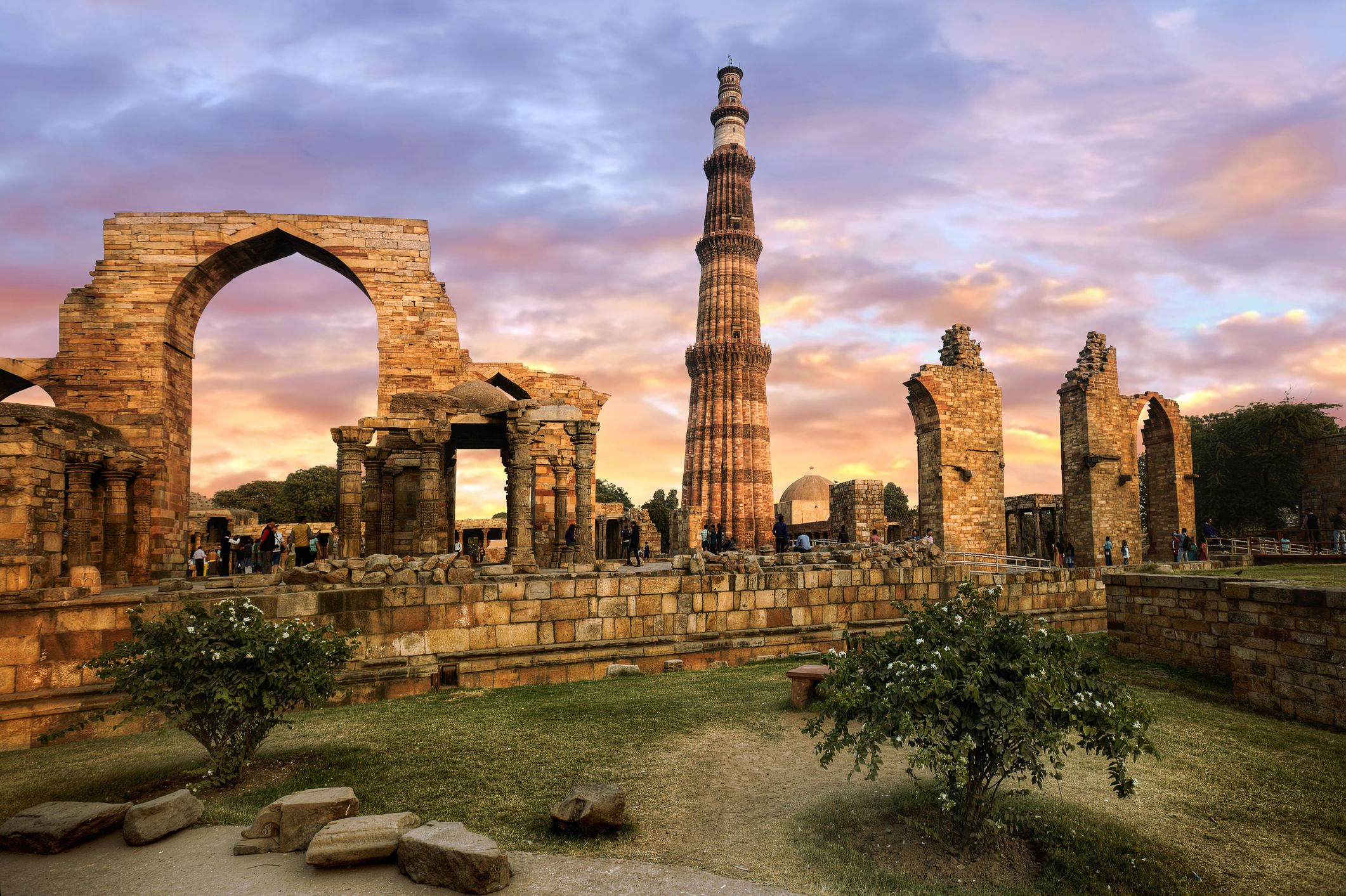
INDIA — The difference between a tourist and a traveler lies in truly understanding a culture. In a country as diverse and vibrant as India, this difference becomes even more meaningful.
From the moment travelers arrive, India offers more than just sightseeing—it invites you to experience its traditions,
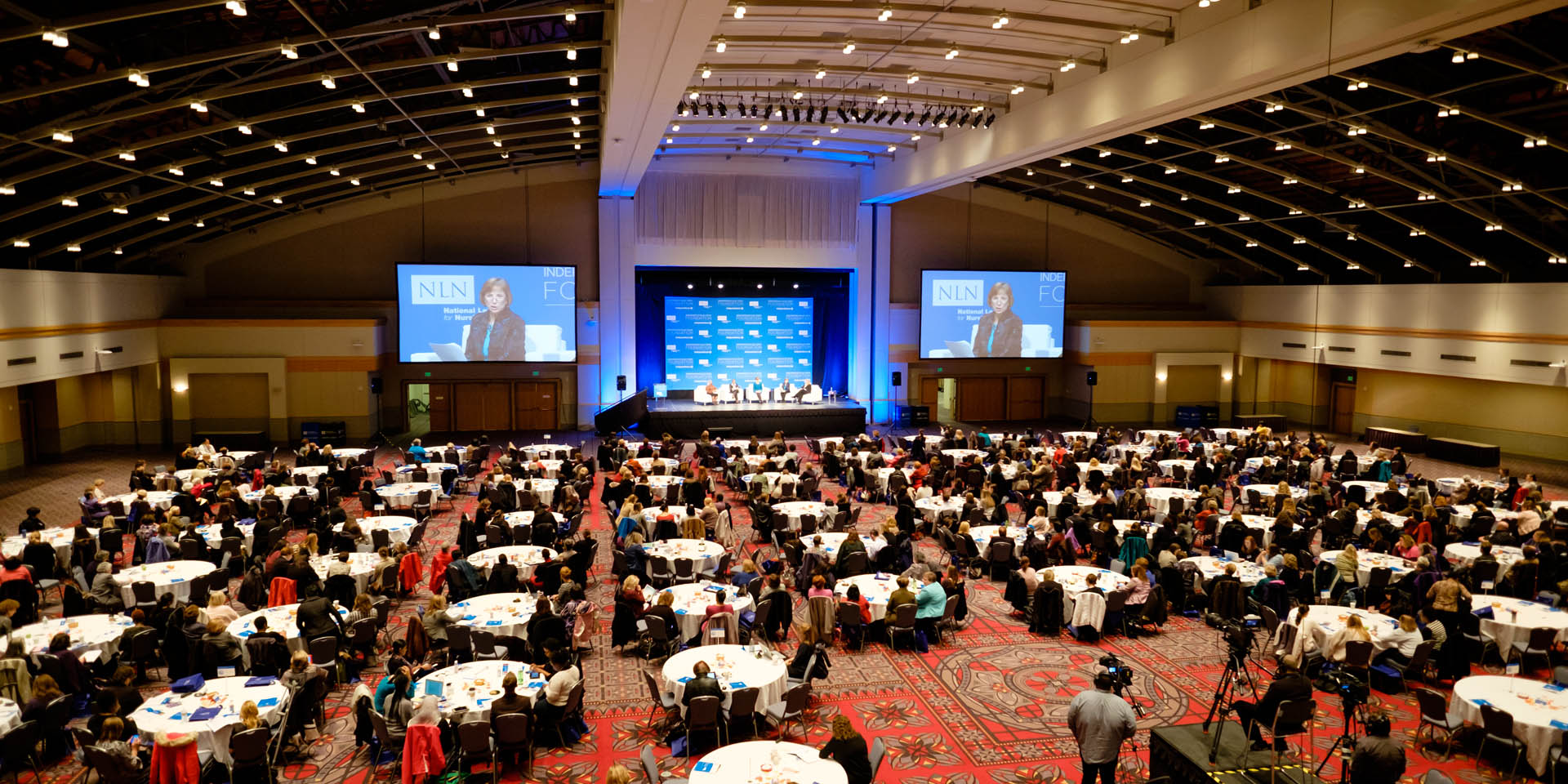
Why India Is the Hottest Hub for Global MICE Events Right Now
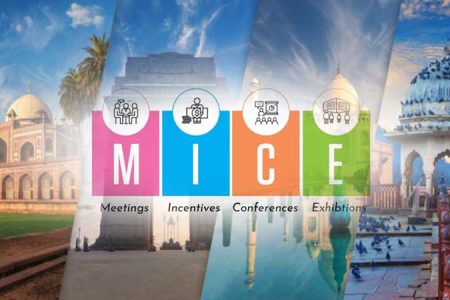
I’ve been part of the travel and events industry for years, witnessing how global experiences shape perspectives and create lasting impact. Today, that journey has evolved into the world of MICE—where meetings, incentives, conferences, and exhibitions connect people, ideas, and opportunities across borders.

Medical Tourism in India: Cost, Hospitals & Visa Guide 2026
India has firmly established itself as one of the world’s leading destinations for medical tourism, attracting 700,000–1 million international patients annually. This growth is driven by advanced healthcare infrastructure, globally accredited hospitals, highly skilled doctors, and treatment costs that are often 50–80% lower than in Western countries.
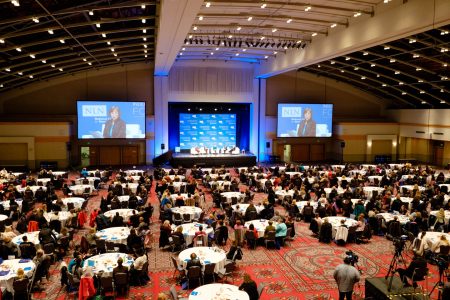
Planning Corporate Events in India: A Practical Guide for High-Demand MICE Markets
Planning a corporate event can feel exciting at first—but as the checklist grows, it often becomes overwhelming. From selecting the perfect venue to coordinating guests, schedules, and last-minute details, the process can quickly turn stressful.
The reality, however, is much simpler: successful corporate events don’t have to be complicated.
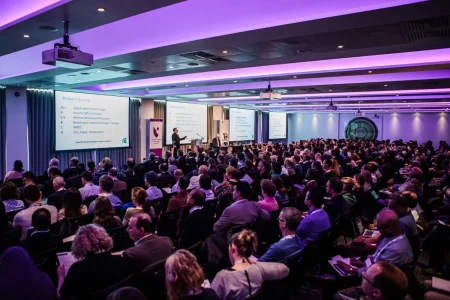
Corporate Events in 2026: The Smartest Way to Build Your Brand
In 2026, corporate events are no longer just gatherings—they are powerful brand experiences. As businesses compete for attention in a crowded digital world, live events are becoming one of the most effective ways to connect, engage, and leave a lasting impression on audiences.
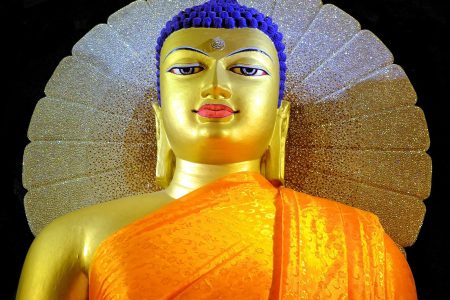
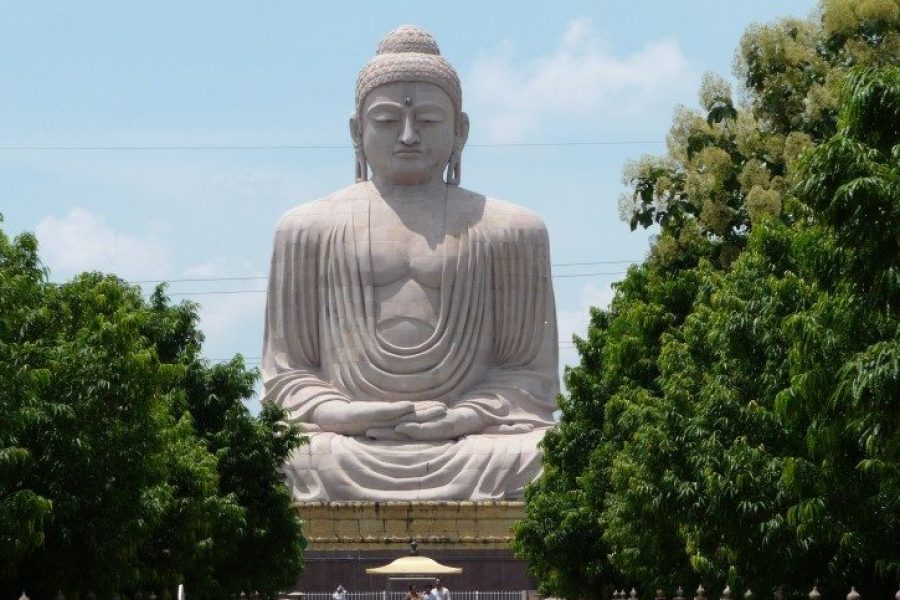
Buddhism in India: History, Development, and Global Influence
Buddhism, the spiritual tradition founded by the awakened one—Gautama Buddha (also known as Shakyamuni)—is one of the world’s major religions, originating in India around the 6th–5th century BCE.
The core teachings of Buddhism are preserved in the Tripitaka, or “Three Baskets,” which include: Vinaya Pitaka, Sutra Pitaka, Abhidharma Pitaka.
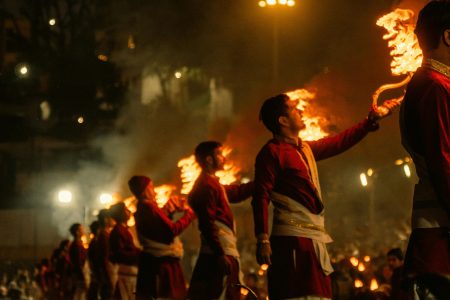
Varanasi doesn’t try to impress—it reveals itself slowly.
As the first light breaks over Varanasi, temple bells drift across the river while chants from distant ghats quietly fill the air. Along the banks of the Ganges River, boatmen prepare for the day as pilgrims step into the water at sunrise.
Varanasi doesn’t feel like a typical tourist destination. Instead, it presents life, death, devotion, and everyday routines all at once—raw and unfiltered.
For first-time visitors, the experience can be intense at first, yet surprisingly grounding.