
Why Bhutan is Known as the Land of the Thunder Dragon
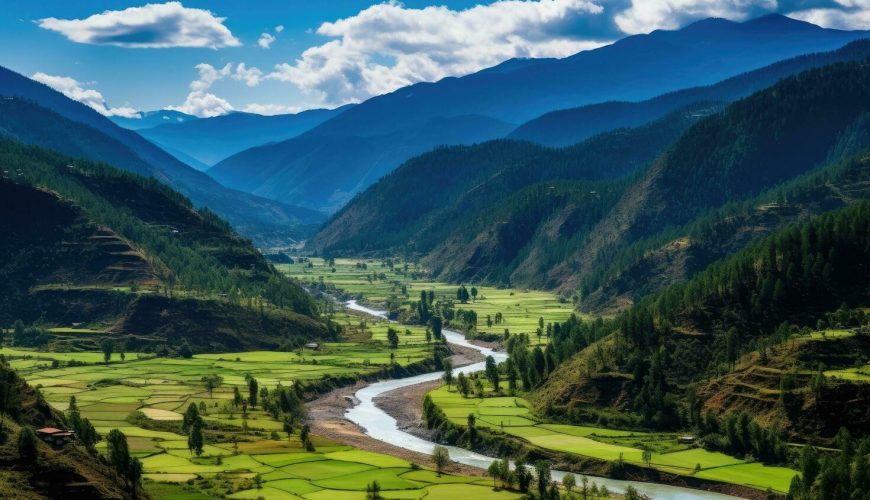
Bhutan is called the Land of the Thunder Dragon because of its powerful thunderstorms, spiritual beliefs, and deep connection with Buddhist traditions. The dragon symbolizes protection, wisdom, and divine energy, making it one of the strongest cultural symbols in Bhutanese society. From its Himalayan landscapes to its monasteries and traditions, Bhutan continues to live up to its mystical and meaningful name.
-
 BY Shashi Tours
- 2026-05-07 1:31 pm
- 1 comment
Bodh Gaya: History, Significance & the Mahabodhi Temple
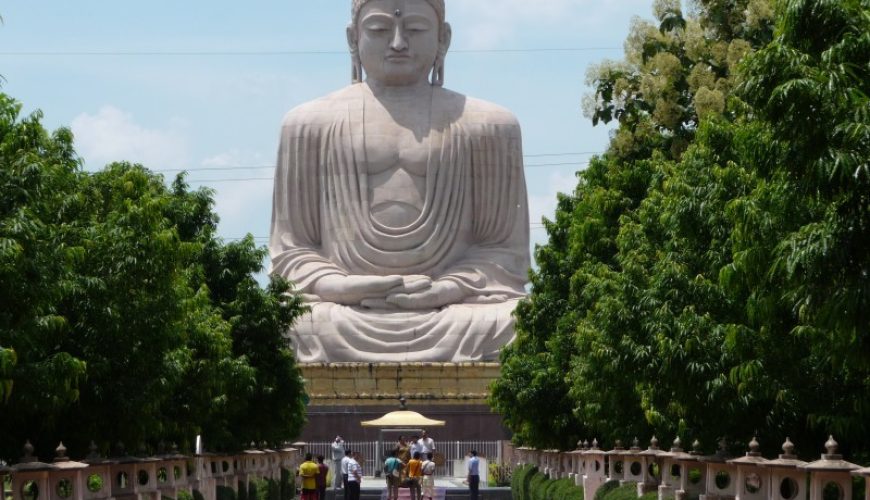
The history of Bodh Gaya is closely linked to the rise of Buddhism and the patronage of Emperor Ashoka, who played a key role in establishing the first temple at this sacred site. Today, Bodh Gaya is considered the holiest destination for followers of Buddhism across the world.
Bodh Gaya is located on the banks of the ancient Neranjana River (now known as the Phalgu River). In earlier times, this place was called **Uruvela**, a शांत and serene area ideal for meditation.
-
BY Shashi Tours
- 2026-05-06 12:30 pm
- no comment
Why Kushinagar Is Important in Buddhism
Kushinagar, known as Kushinara in ancient times, is the sacred place where Gautama Buddha attained **Mahaparinirvana** at the age of 80. It is also the site where he was cremated, making it one of the most important pilgrimage destinations for Buddhists around the world.
Located approximately 55 km from Gorakhpur, Kushinagar attracts pilgrims and spiritual seekers seeking to connect with the final moments of the Buddha’s life.
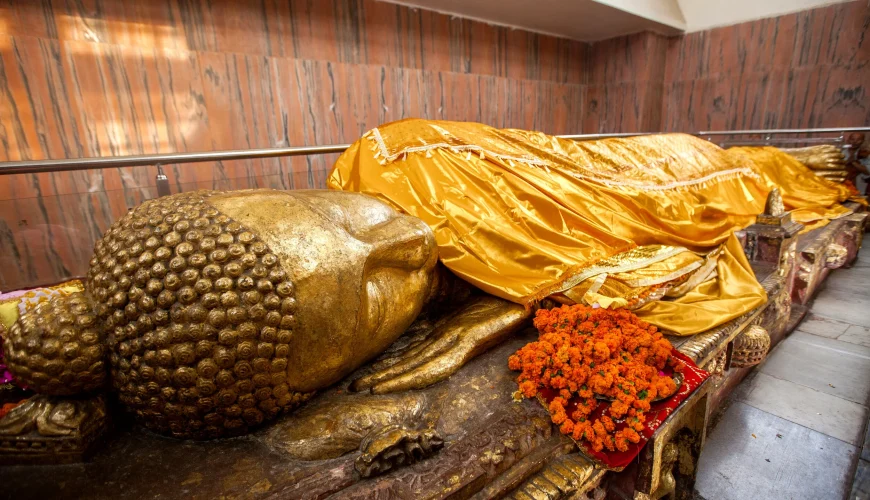
The main attraction here is the Mahaparinirvana Temple, which houses a large reclining statue of Lord Buddha, symbolizing his passing into final Nirvana.
-
BY Shashi Tours
- 2026-05-06 12:16 pm
- no comment
Buddhism in India: History, Development, and Global Influence
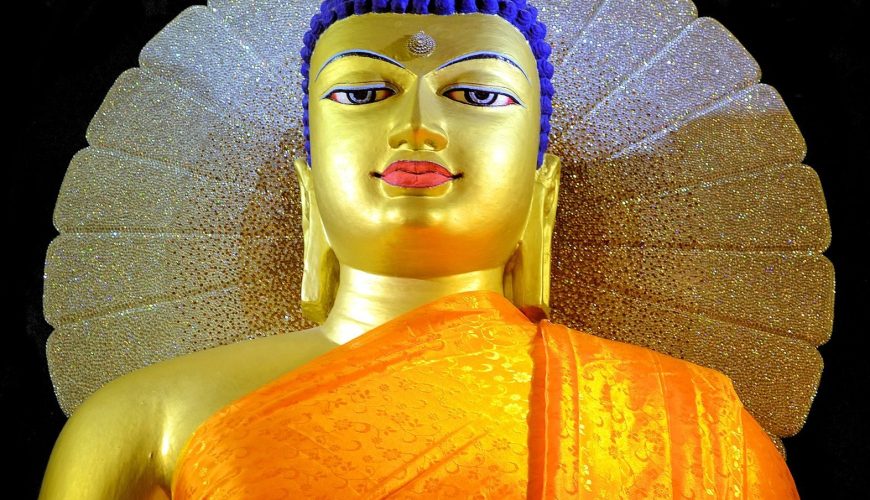
Buddhism, the spiritual tradition founded by the awakened one—Gautama Buddha (also known as Shakyamuni)—is one of the world’s major religions, originating in India around the 6th–5th century BCE.
The core teachings of Buddhism are preserved in the Tripitaka, or “Three Baskets,” which include: Vinaya Pitaka, Sutra Pitaka, Abhidharma Pitaka.
-
BY Shashi Tours
- 2026-05-05 9:07 am
- no comment